
The odor produced by composting facilities is not only a source of discomfort but is also regarded as a significant issue threatening the community's peace and the sustainability of operations. Many companies are aware that they are unable to find satisfactory solutions due to the limitations of existing odor reduction technologies. Is there a way to effectively control the root causes of odor and enable a stable long-term operation? The unique ceramic filter technology offered by KoreaBest Environmental may provide that solution. Capable of capturing odors in extremely acidic to highly alkaline and high-temperature environments without fail, this technology sets a new standard for tackling odor issues in composting facilities.
The First Step in Reducing Odor in Composting Facilities: Initial Design and Raw Material Analysis
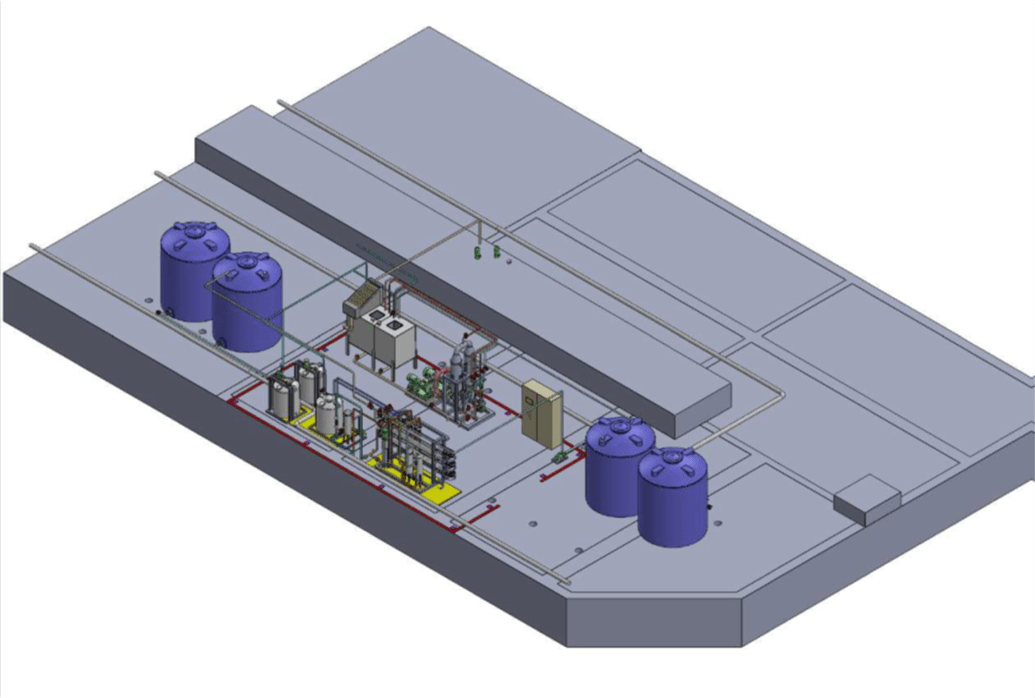
Initial Design and Raw Material Collection Management
Successful operation of a composting facility extends beyond mere installation; it critically depends on a deep understanding of odor reduction and meticulous initial design based on this understanding. Companies often prioritize immediate efficiency, relegating odor issues to secondary concerns, which ultimately leads to greater challenges like odor complaints and operational instability. The raw material collection and mixing phase is the first, most crucial control point for potential odor generation. Without efforts to fundamentally block odor generation potential here, even advanced facilities cannot fully resolve the issue. KoreaBest Environmental emphasizes sealed systems and optimal workflow design to minimize raw material exposure to external conditions, eliminate chances for odor emission, and facilitate swift transition through stages with thorough initial planning.
Raw Material Characteristics Analysis and Tailored Consulting
Careful analysis of the characteristics and moisture content of organic raw materials is a crucial step that determines the overall stability of the composting process. Not all raw materials share the same attributes, so it's critical to identify those that generate more odor and, if necessary, manage them separately or design appropriate pretreatment phases to significantly lessen the pressure on the odor reduction systems. Understanding each raw material like a well-arranged puzzle and preparing tailored treatment plans is key. Such forward planning not only enhances process efficiency but also lays the groundwork to effectively prevent all potential odor issues post-commissioning. KoreaBest Environmental, a company specializing in atmospheric environment engineering, focuses on fulfilling environmental responsibilities and ensuring sustainable operations for its clients from the inception of facility adoption. KoreaBest Environmental's core values are as follows:
- Minimizing odor complaints
- Contributing to clean environments while cooperating with neighbors
Comprehensive pre-analysis and design are just the beginning; KoreaBest Environmental provides innovative technical solutions like ceramic filters for consistent odor control thereafter. With reliable performance in acidic, alkaline, and high-temperature conditions, they support the successful operation of composting facilities to the end. This is part of our commitment not only to odor reduction but also to maximizing the long-term durability and efficiency of installations.
KoreaBest Environmental's Ceramic Filter: Strong Against Extreme Conditions
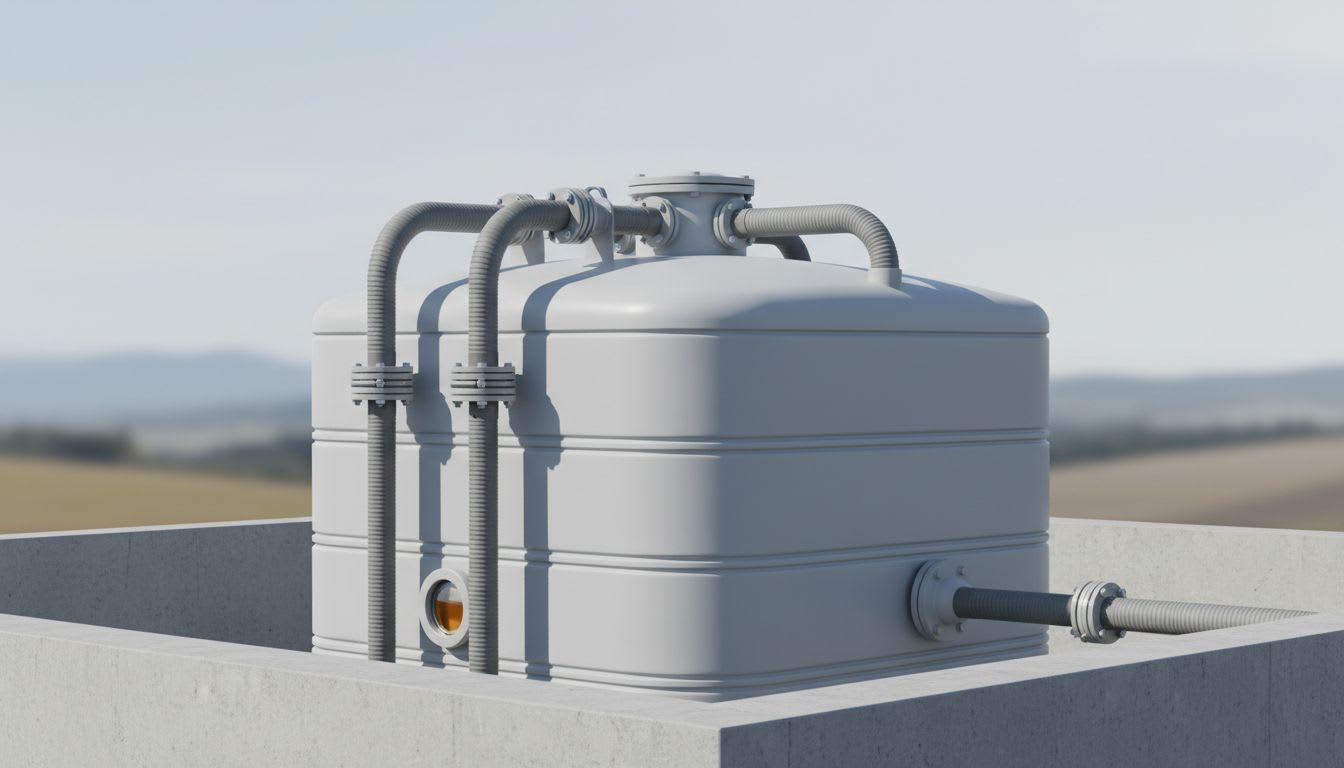
Odor Issues and Requirements in Composting Processes
Odor problems in composting facilities do more than inconvenience workers; they significantly impact nearby residents, result in administrative penalties, and jeopardize the stability of operations. Within the composting process, stages such as intense mixing of raw materials and microbial peak activity in the stirring fermentation tank, followed by maturation in the curing tank, are critical control zones where high concentrations of unpleasant odor substances are emitted. During this phase, high volumes of odorous compounds, including volatile organic compounds (VOCs) and potent, irritating substances like ammonia and hydrogen sulfide, are generated. Traditional reduction methods meet their limits here, necessitating effective high-performance odor reduction solutions. To effectively control odors in such harsh process conditions, it is vital to introduce robust, advanced filtration technology that withstands extreme conditions.
The Unique Durability of Ceramic Filters
In this context, the ceramic filters proposed by KoreaBest Environmental overcome the disadvantages of existing technologies and redefine standards in odor reduction. Like a sturdy shield, these filters maintain consistent performance amidst unpredictable environmental changes in composting processes. KoreaBest Environmental's ceramic filters stand out over other technologies such as hollow-fiber or flat-sheet membrane filters for the following reasons:
- Resilience to strong acids and alkalis, withstanding pH levels from 1 to 13 (reducing damage concerns from corrosive substances)
- Stable operation in temperatures up to 90°C (maintaining performance in microbial fermentation heat environments)
Excellent Preservation and Contamination Resistance
Furthermore, ceramic filters' excellent preservation allows for dry, long-term storage, and their resistance to contaminants like microbial byproducts and dust ensures stable performance without concerns of contamination. These advantages guarantee exceptional durability and sustained odor reduction efficiency, even under demanding composting process conditions. This ensures increased filter replacement intervals and reduced maintenance costs, significantly aiding stable process operations. KoreaBest Environmental, as a leading odor reduction system provider, aims to fundamentally resolve odor issues faced by composting facility operators through these unique ceramic filter technologies, creating a better environment for business operations.
Integrated Odor Management Solutions Covering Entire Processes
Importance of Stage-by-Stage Odor Management
The composting process goes beyond merely converting waste into compost. It demands meticulous management from raw material collection, mixing, fermentation, curing, to final packaging, with all stages intricately connected. A often-overlooked issue is the residual odor at the 'packaging stage.' Even well-matured compost can suffer diminished value if insufficiently sealed, allowing unpleasant odors to leak, potentially leading to renewed complaints. Thus, proper final touches are crucial for a successful composting facility operation.
Integrated Approach and Precise Analysis
Therefore, odor reduction cannot be a simple task of improving one facility or point. An integrated approach that oversees the interlinked entirety of the process is crucial, as partial improvements can shift odors elsewhere or manifest in other forms. KoreaBest Environmental concentrates on precisely analyzing the characteristics and quantity of odors produced at each process stage to address these complex issues. Experienced experts diagnose on-site and, based on accumulated data, identify the fundamental causes of odor transmission.
Custom Solutions and Sustainable Management
Through this data-driven analysis, we design and implement the most effective customized odor reduction systems for each process stage, from raw material collection, mixing, fermentation tank, curing tank, to the final compost packaging stage. It is crucial to conduct thorough on-site analysis and select the optimal odor reduction technology tailored to each process before adopting composting facilities. As a registered air environment engineering company, KoreaBest Environmental offers client-customized solutions, contributing to creating a pleasant environment. This goes beyond mere temporary fixes, offering fundamental solutions to root out odor generation at its core. In doing so, KoreaBest Environmental provides optimized solutions like ceramic filters, which demonstrate exceptional durability and effectiveness even in challenging environments, setting new standards for sustainable odor management. This is KoreaBest Environmental's unique expertise aimed at creating a pleasant working environment and helping you comply with stringent environmental regulations over the long term. If you want to manage odor issues integrally for the successful operation of your composting facilities, consider consulting with KoreaBest Environmental, a professional air environment engineering company, to seek forward-thinking solutions.
Limitations and Problems of Existing Technologies
Odor issues in composting facilities are recognized as major challenges that transcend technical difficulties, leading to conflicts with local residents and threatening the sustainability of business operations. Despite various efforts by many companies to resolve odor problems, satisfactory outcomes have been elusive due to the limitations of existing odor reduction technologies. The limitations of existing odor reduction technologies include:
- Susceptibility to external environmental changes, leading to performance degradation
- Frequent filter blockages requiring frequent replacements, making maintenance difficult
These issues often result in increased operational costs and recurring odor complaints.
Features of KoreaBest Environmental's Ceramic Filters
In this context, the ceramic filter offered by KoreaBest Environmental overcomes the shortcomings of existing technologies and sets new standards for odor reduction. This filter, akin to a sturdy shield, maintains unwavering performance amid unpredictable environmental changes in compositing processes. KoreaBest Environmental's ceramic filters are distinguished by the following features:
- Outstanding durability in a wide pH range from acidic (pH 1) to alkaline (pH 13)
- Stability in high temperatures reaching up to 90°C
This ensures consistent and reliable odor removal performance, even in high-temperature environments induced by composting fermentation heat, making it a key component for guaranteed operability.
Additional Advantages and Operational Efficiency of Ceramic Filters
Moreover, ceramic filters offer additional advantages such as:
- Strong preservability, allowing long-term storage when dry
- Excellent resistance to fine particles and organic contamination, minimizing filter blockage
These distinctive characteristics substantially reduce maintenance costs and time burdens associated with facility operations, while continually providing stable odor reduction efficiency, significantly enhancing overall process stability. KoreaBest Environmental, as a leading odor reduction system provider, targets fundamentally addressing odor issues faced by composting facility operators through its unique ceramic filter technologies, fostering a better operating environment.
Beyond merely tackling technical difficulties, odor control in composting facilities is a core challenge crucially shaping operational sustainability and harmonious coexistence with neighbors. As all processes, from raw material collection to final packaging, are interconnected, odor reduction necessitates an integrated approach and fundamental solutions rather than temporary measures at one stage. Before adopting composting facilities, KoreaBest Environmental proposes optimal designs tailored to each process's characteristics through on-site analysis, offering innovative solutions for odor issues with ceramic filters boasting outstanding performance and durability even in extreme environments like high acidity and heat. With KoreaBest Environmental, you can achieve a pleasant and sustainable composting facility operation with no worries about odors.
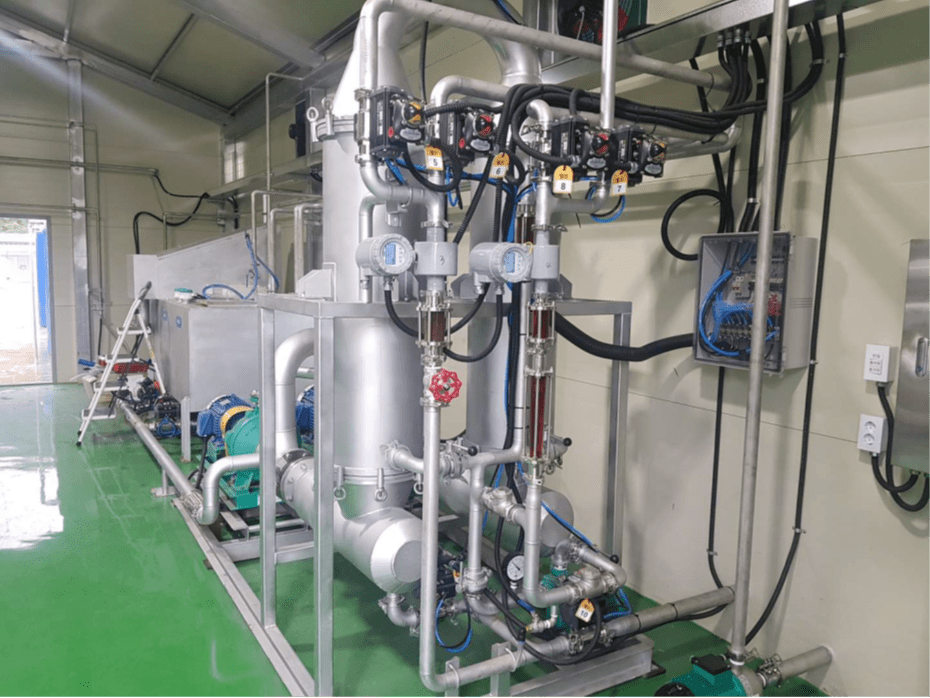
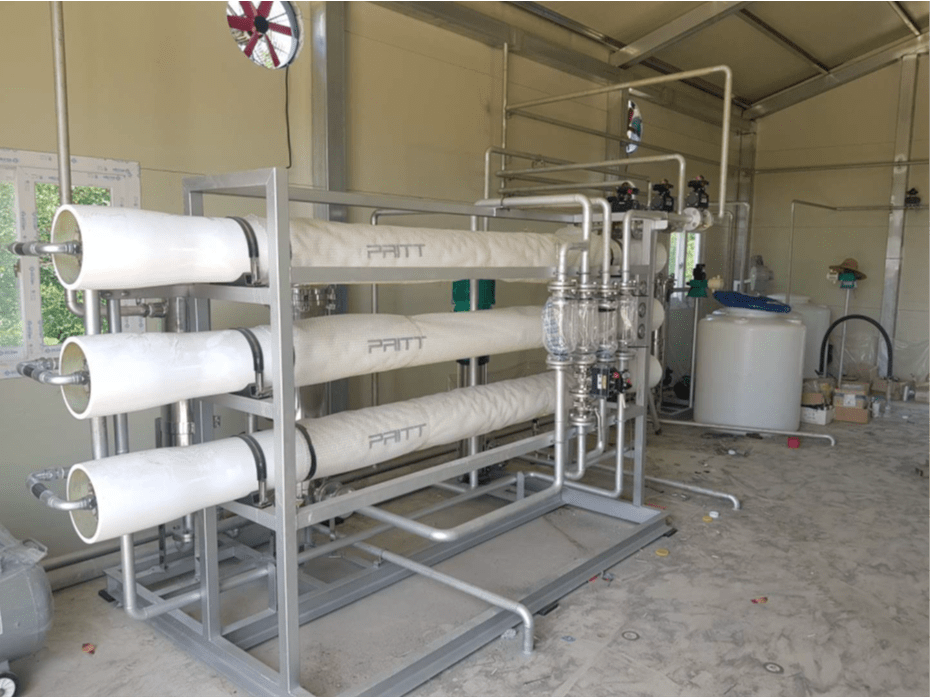
KoreaBest Environmental Co., Ltd., with over 20 years of experience and expertise, fundamentally resolves chronic odor issues to simultaneously achieve a pleasant working environment and compliance with environmental regulations.
Contact Information
Phone: 041-632-0670
Email: kbeco@naver.com
Free Consultation Request: http://www.kbeco.co.kr