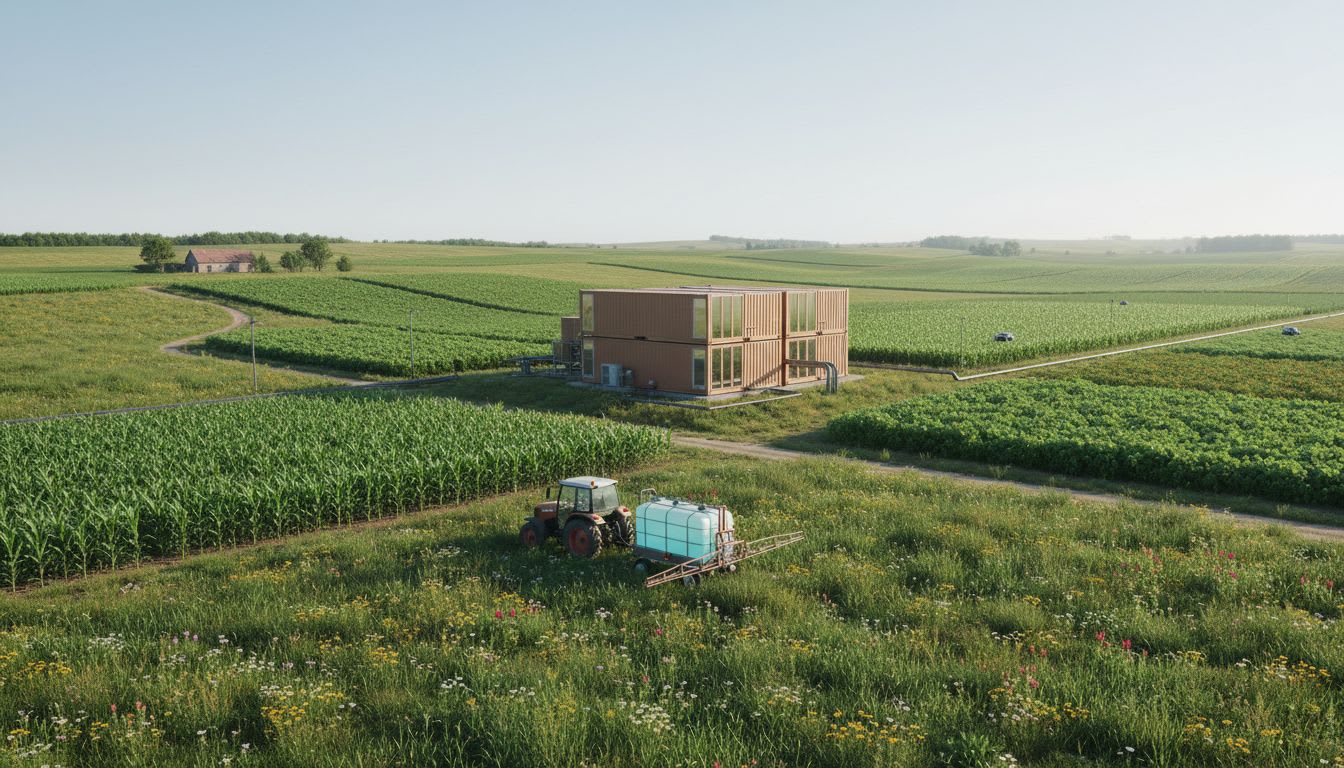
Organic waste such as livestock manure generated in agricultural fields carries the dual responsibility of addressing environmental issues and resource recycling. Amidst the traditional composting and the rapid liquid fertilization methods, which processing method is most efficient for our farms, especially for small farms with limited resources, requires thorough consideration. Under the burden of composting which requires vast space, time, and continual management, liquid fertilization facilities optimized for small farms have emerged as a promising alternative. Can container-integrated facilities that minimize installation and operational costs treat organic waste much more efficiently than composting and even enhance agricultural productivity?
Why is Organic Waste Management Important?
Organic waste, like livestock manure or food waste, holds the potential to become a valuable resource for boosting agricultural productivity. However, if not properly treated, it can lead to serious environmental burdens such as soil and water pollution and odor issues. Composting and liquid fertilization have long been discussed as representative methods to effectively manage these dual-natured organic wastes and return them to agriculture as beneficial resources. Farmers and related businesses deeply ponder which processing method is more practical and effective for their agricultural environment and goals. Particularly for small farms with limited resources and space, choosing the optimal method is crucial. Let's closely examine the characteristics, advantages, and disadvantages of each method to find an efficient alternative suitable for small farms.
Features and Limitations of Traditional Composting
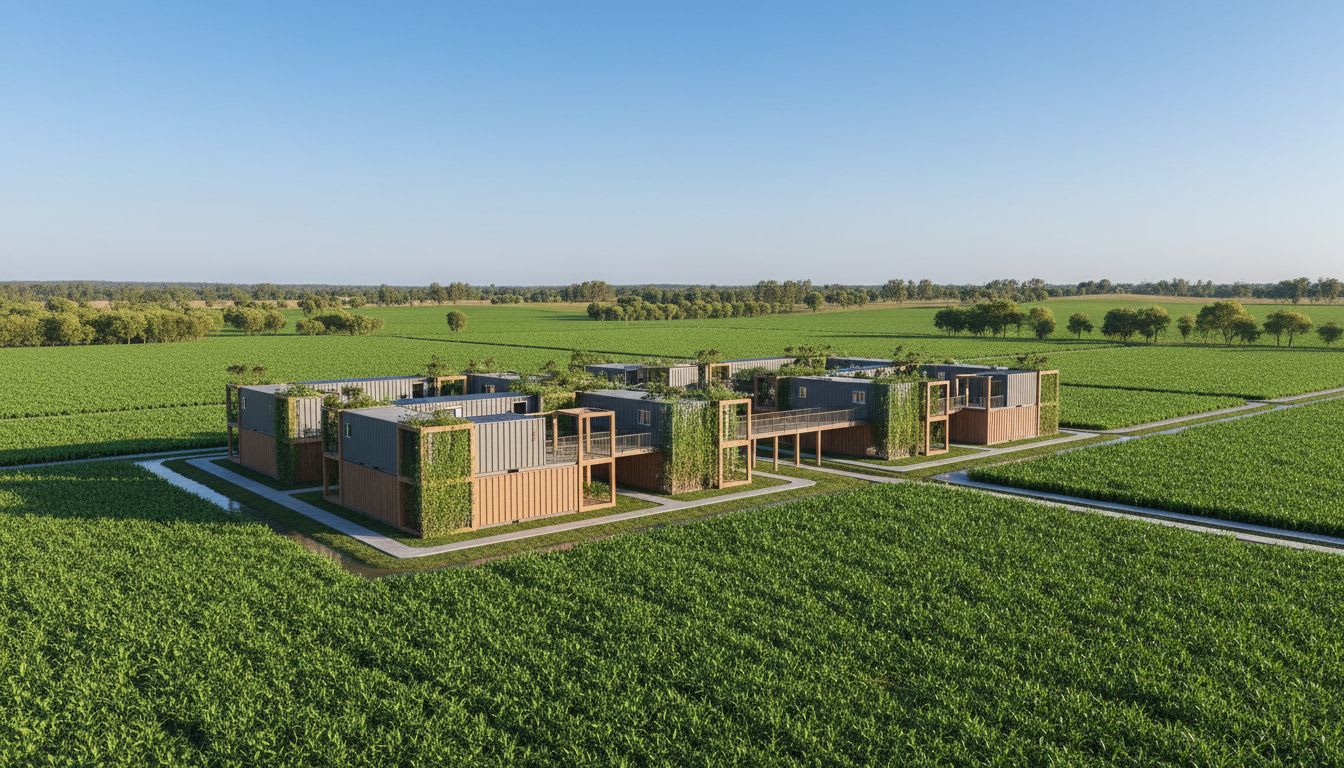
Composting has been utilized in agricultural settings for a long time, transforming organic waste into a soil-like stable form through microbial action.
Advantages of Composting
Compost provides several benefits through this process.
- Improves the physical and chemical properties of soil and enhances soil fertility
- Gradually supplies nutrients required by crops over an extended period
- Solid form makes storage, transportation, and application relatively convenient
- Effectively reduces odors generated during the treatment process
- Enhances soil moisture retention and increases drought resistance
- Promotes microbial activity, fostering a healthy soil ecosystem
Practical Limitations of Composting
Despite these advantages, the composting process has several practical limitations.
- Considerable time required for complete decomposition reduces flexibility in agricultural planning
- Requires a large processing space for stable compost production
- Needs ongoing manpower management, like periodic turning operations
- High initial facility investment cost burdens small farms
KoreaBest Environmental's Liquid Fertilization Alternative
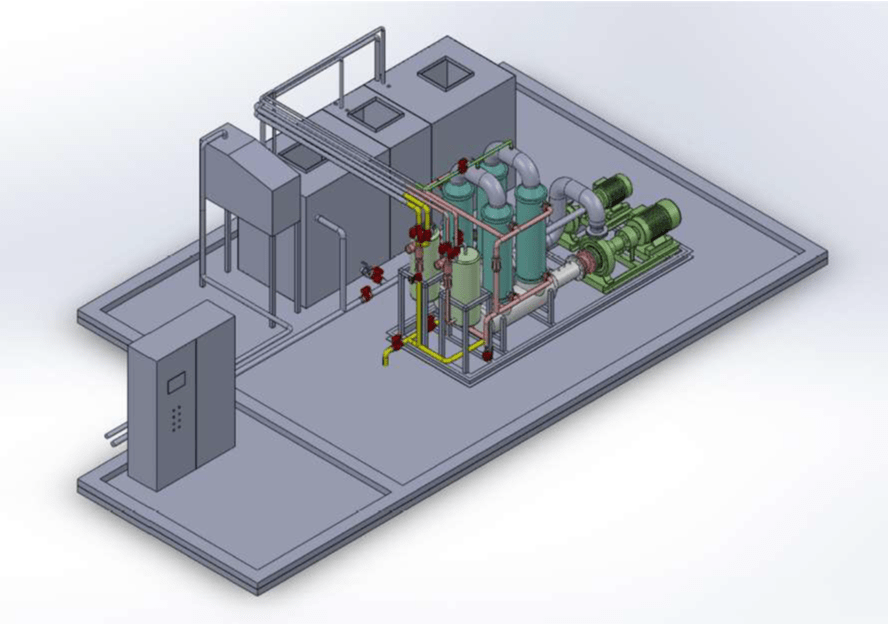
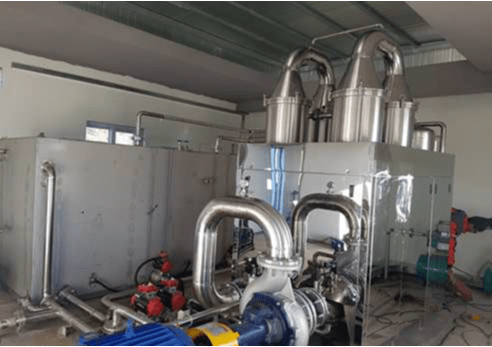
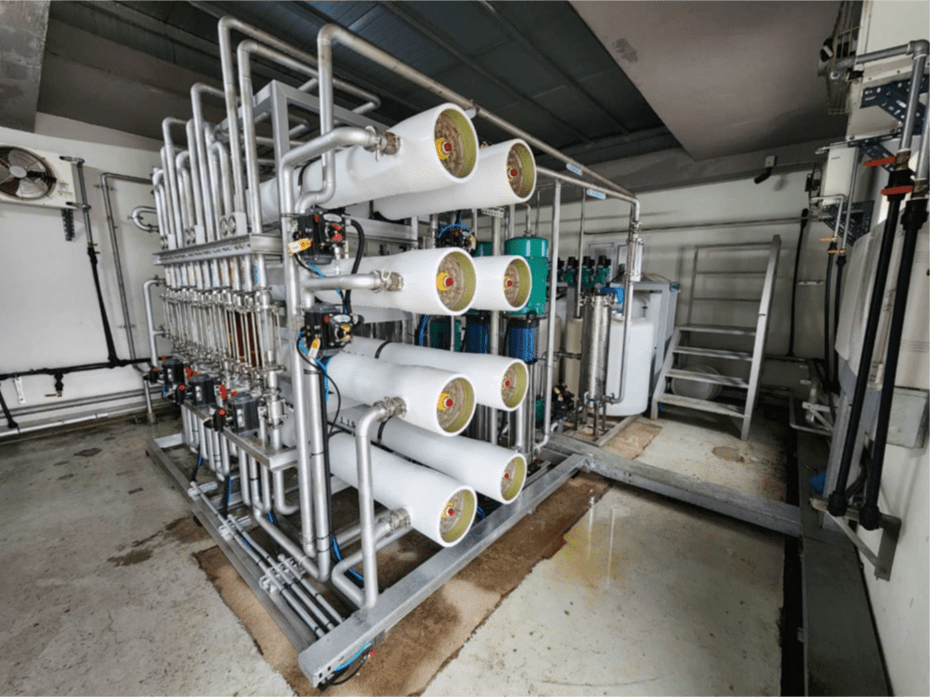
Given this context, KoreaBest Environmental proposes liquid fertilization facilities as a more suitable and efficient alternative for small farms. Overcoming the constraints of complex composting processes, KoreaBest Environmental's Liquid Fertilization Treatment System provides an optimized solution for farms, with all processes—from raw material input to final liquid fertilizer application—systematically managed. Especially, the container-integrated facility minimizes installation costs and can process 10 to 20 tons of organic waste per day, providing spatial efficiency and quick processing compared to composting. KoreaBest Environmental's liquid fertilization system contributes not only to waste management but also to improving agricultural productivity by converting various organic wastes, like livestock manure and food waste, into liquid fertilizer resources, helping small farms establish a sustainable resource circulation system.
KoreaBest Environmental's Liquid Fertilization Solution: An Alternative for Small Farms
Need for Liquid Fertilization Process
Organic waste management is essential for sustainable agriculture, and especially for small farms with limited resources and space, it is crucial to find solutions that meet both efficiency and economic viability. While traditional composting methods require long periods, labor, and large spaces and face challenges due to unpredictable variables, KoreaBest Environmental's Liquid Fertilization Process offers a modern and practical alternative to these concerns. This systematic process of converting organic waste into high-quality liquid fertilizer ensures all stages—from raw material input to the safe and efficient application of refined liquid fertilizer—are precisely managed. By doing so, farms can alleviate the burden of waste management and easily provide the nutrients needed for crops.
Advantages of Container-Integrated Facility
KoreaBest Environmental offers container-integrated facilities for efficient resource circulation systems without burden for small farms. The advantages of KoreaBest Environmental's container-integrated facility include:
- Minimized installation costs without complex construction or large site requirements
- Ability to process 10 to 20 tons of organic waste per day
- Reduction of space constraints and initial investment burden for small farms, maximizing waste processing efficiency
- Quickly supplying nutrients for crops for immediate growth effects
- Ability to uniformly and efficiently apply over large areas with spraying equipment
Potential Issues of Liquid Fertilization
Of course, liquid fertilization may present the following potential issues:
- Challenges in securing and managing storage space due to the liquid state
- Potential odor issues during spraying
- Risks of soil and water pollution if not applied at the correct time and rate
KoreaBest Environmental's Integrated Solution
However, KoreaBest Environmental has expertise in managing various organic waste treatment facilities, resource conversion businesses, and odor-generating facilities, minimizing these concerns. KoreaBest Environmental's integrated solution encompasses waste management, resource recycling, and environmental management, aiming not just to produce liquid fertilizer but to support farms in capturing both environmental and productivity benefits sustainably. Through a systematic liquid fertilization system, even small farms can design and implement a future of efficient and environmentally-friendly farming management.
Composting vs. Liquid Fertilization: The Optimal Choice for Farms
Criteria for Choice and Differences
The approach to processing organic waste in agricultural settings divides into composting and liquid fertilization, with optimal choices differing based on factors such as farm size, crop characteristics, budget, labor, and environmental regulations. Composting has strengths in soil improvement and long-term nutrient supply, while liquid fertilization provides crops with rapid and direct nutrient absorption. Small farms, particularly, consider initial investment burden, operational efficiency, and ease of installation as crucial decision criteria within their limited resources.
Optimal Alternative for Small Farms
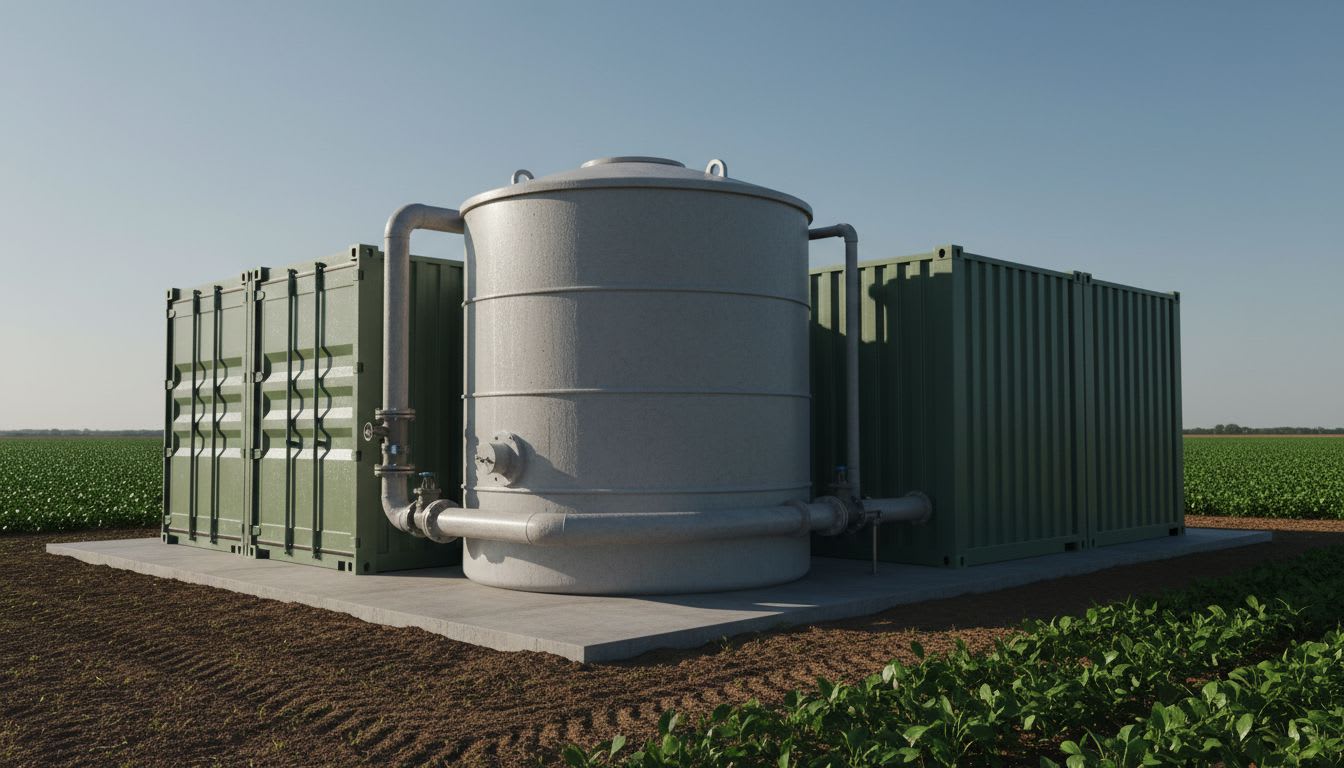
From this perspective, KoreaBest Environmental's container-integrated liquid fertilization facilities offer an innovative alternative. By minimizing installation costs without complex construction or large-scale infrastructure, they are optimized for recycling water and discharge facilities in small farms, capable of handling up to 20 tons daily. KoreaBest Environmental's technological prowess efficiently processes and converts various organic wastes through systematic processes from raw material input to refined liquid fertilizer application, contributing to solving waste problems while enhancing agricultural productivity and environmental protection.
Wise Choice for Sustainable Agriculture
Ultimately, a wise approach to sustainable agriculture is to clearly understand the pros and cons of each approach and choose the method best suited to your agricultural environment and goals. Sometimes, complementarily utilizing both ways can also be an effective strategy. KoreaBest Environmental provides tailored solutions, like container-integrated liquid fertilization facilities, to help farms secure both sustainability and profitability efficiently.
The long-standing issue of organic waste management, once lost in the woods of pondering, now finds a clear marker. Finding the optimal solution aligned with each farm's environment and goals is important, and particularly for small farms, KoreaBest Environmental's liquid fertilization facilities can be a reliable partner toward sustainable agriculture. This not only tackles waste processing but also circulates resources, nurturing the soil and enriching crop abundance, paving the way for the new path of future agriculture. It's time to step toward a greener tomorrow through the wise choice of capturing both efficiency and environmental protection.
Corporation KoreaBest Environmental, with over 20 years of experience and know-how, fundamentally solves chronic odor problems to simultaneously achieve a pleasant working environment and response to environmental regulations.
Contact Information
Phone: 041-632-0670
Email: kbeco@naver.com
Free Consultation Request: http://www.kbeco.co.kr