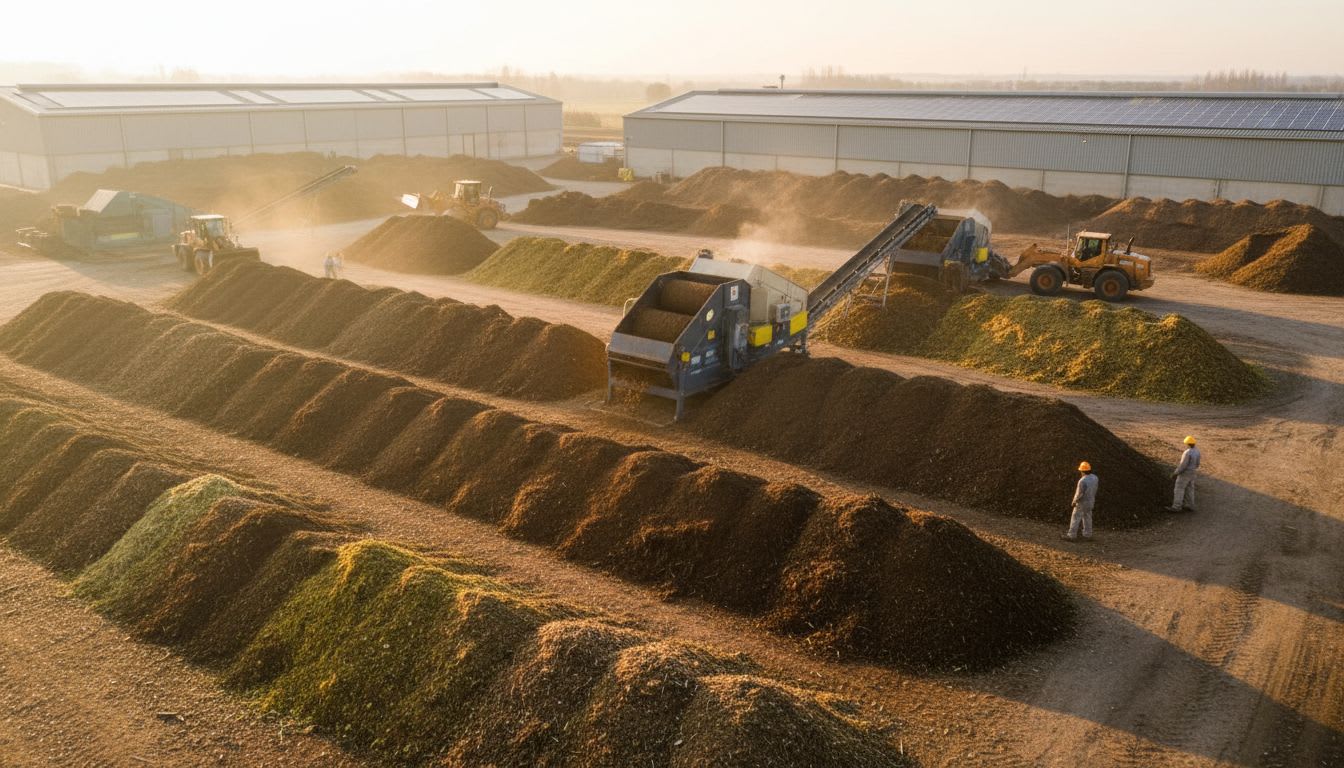
Odor issues in the operation of composting facilities go beyond mere discomfort—they threaten the sustainability of businesses. KoreaBest offers a customized odor management system based on scientific data analysis to fundamentally resolve odor problems. Through real-time monitoring, efficiency of the deodorization tower is thoroughly checked, allowing for quick response before problems arise, ultimately contributing to creating an odor-free pleasant environment.
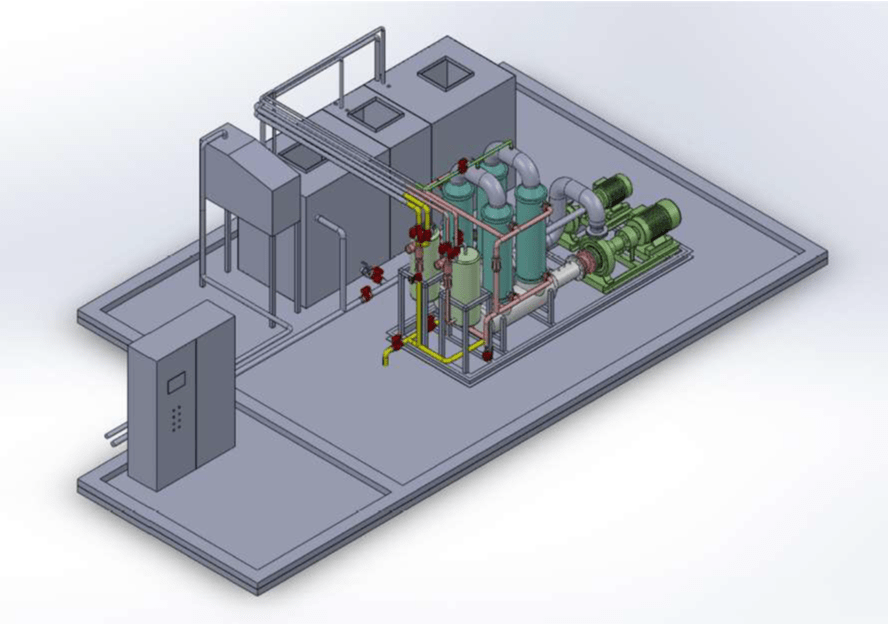
KoreaBest's Custom Solution for Solving Odor Issues
Simply building a composting facility in a physical space does not guarantee smooth processes. The 'odor' issue is especially considered the biggest nuisance on-site. It's not only the unpleasant smell that causes serious inconvenience to nearby residents but also poses a threat to business operations. Once an odor complaint is lodged, it can escalate into administrative sanctions or legal issues, leading to substantial losses and critical outcomes like business suspension. Therefore, diagnosing the root cause of odor from the planning and construction stage of composting facilities and meticulously designing ways to effectively control it is of utmost importance.
Severity of Odor Problems and Customized Solutions
Merely meeting the legal threshold for odor reduction is no longer a valid strategy. Residents' actual discomfort can be much more complex and sensitive than quantified standards suggest. To truly solve odor issues and create a sustainable business environment, it's crucial to analyze points and causes of odor generation from multiple angles and apply a 'customized odor management solution' optimized for each site's characteristics, akin to prescribing tailored treatments to patients. This is where KoreaBest offers a differentiated approach.
Odor Reduction Monitoring System
We focus not only on the scientific in-depth analysis of odor causes but also on designing and building an odor management system that achieves maximum efficiency in the actual operating environment. Specifically, KoreaBest provides an 'odor reduction device monitoring system' as a core solution for efficient management of composting facilities. It is an advanced system that not only reduces odor but also helps comprehensively manage the operational status of the entire facility in real-time, ensuring that odor reduction effects are effectively manifested.
Through a meticulously designed environmental sensor monitoring system, the efficiency of the deodorization tower, a key component of odor reduction facilities, is thoroughly analyzed. Even slight changes are detected and turned into data, allowing facility operators to promptly respond to any early signs of issues, maintaining optimal operating conditions continuously minimizes odor complaints and reduces unnecessary operating costs. For instance, in the event of a sudden increase in odor concentration or a decline in deodorization efficiency, an immediate alert is provided, enabling immediate action. We lay a solid foundation to preemptively address the odor complaint issues that on-site operators find most challenging and establish efficient operational strategies.
Proprietary Ceramic Filter Technology
Additionally, KoreaBest's proprietary 'ceramic filter technology' offers outstanding advantages not only for solving odor problems but also for enhancing the overall efficiency of the composting process. Compared to commonly used hollow fiber or flat membrane filters, ceramic filters boast significantly superior performance and durability. They strongly resist acidic and alkaline environments (pH 1-13) and operate stably under high temperatures reaching 90℃ without deformation. This indicates that the filter can fulfill its functions even in the severe environment of the composting process.
Furthermore, its strength against contamination allows for extremely easy maintenance. Reducing the burden of frequent cleaning or replacement enhances operational efficiency, and being able to store it dry for a long time makes it easier to manage spare filters. Such innovative technology provides optimal conditions for each stage of the process, from raw material collection to mixing, fermentation, maturation, and packaging, aiding in the production of high-quality compost.
With such exceptional technology, KoreaBest significantly increases the overall efficiency of composting facilities, making a substantive contribution to effectively reducing operating costs from a long-term perspective. In essence, what KoreaBest strives for is to go beyond simple odor removal, facilitating stable business operations for our clients and contributing to creating a sustainable environment in harmony with local communities. We always commit ourselves to creating a clean environment where everyone can be satisfied, free from odor concerns.
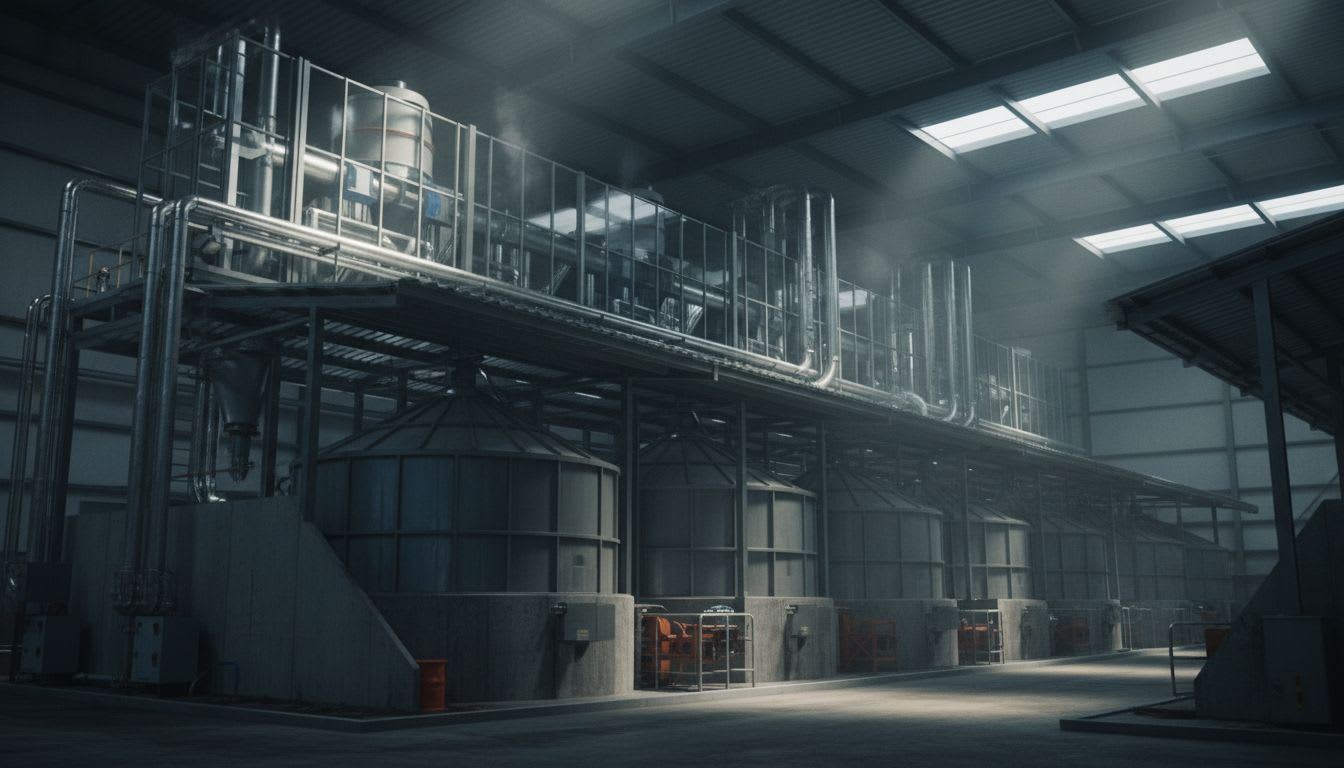
Organic Understanding and Maximizing Efficiency of the Composting Process
Compost facilities do not perform their functions merely by assembling various equipment in one place. As an on-site worker who values the natural resource that compost returns to, I always emphasize that a deep understanding and meticulous approach to the entire process is essential to truly realize the value. When you view the entire composting process as a living organism, how organically and harmoniously each stage of the facilities operates determines the key to maximizing overall efficiency. Just as a magnificent orchestra produces touching melodies through the perfect harmony of instruments, the composting process can only yield optimal results when each stage performs its role faithfully.
Management of Composting Process Stages
Thorough management begins right with the first stage of raw material collection. Good raw materials mark the start of good compost. Securing fresh and high-quality organic matter is crucial, akin to creating exquisite cuisine with the finest ingredients. Next, the key in the raw material mixing stage is accurately matching the optimal carbon to nitrogen ratio. This ratio must be correct for microbes to actively break down and ferment the organic matter properly. If not, fermentation may delay or significantly increase the possibility of odor generation.
In the agitation fermentation tank, strict control of temperature, humidity, and oxygen concentration, as if nurturing a precious baby, is essential. When these three elements are balanced, microbial activity is optimized, maximizing fermentation efficiency. Any disruption can impede proper fermentation or cause odor. Compost that has completed its fermentation process should undergo sufficient curing time in the maturation tank. Through this process, the compost transforms into a well-matured state that's better absorbed by plants, reducing risks from harmful bacteria and stabilizing its quality. Finally, in the compost packaging stage, it's crucial to maintain compost quality and thoroughly block potential contamination during distribution, beyond merely filling it into products.
Integrated Process Design by KoreaBest
At KoreaBest, we possess a deep understanding of all the stages in this complex and sophisticated composting process. Beyond merely supplying individual equipment, we analyze and consider the organic flow of the entire process in detail and offer integrated designs that generate true efficiency. Particularly, KoreaBest deeply focuses on maximizing efficiency throughout the composting process.
By providing the most optimized equipment for each stage, from raw material collection, mixing, fermentation, maturation, to packaging, we establish a foundation to produce not just compost, but a stable production of high-quality mature compost. This enhances compost quality, increasing agricultural value and contributing to the circular economy. Resolving diverse on-site concerns such as odor issues, fermentation inefficiency, and decreased compost quality, to building a sustainable cyclic resource system is a key goal. KoreaBest always stands with you in creating value for a healthier environment through composting for future generations.
Durability and Maintenance Convenience for Long-Term Equipment Operation
As composting facilities are a long-term investment, two primary criteria should be prioritized when selecting core parts and designing systems.
- Durability: Extending the lifespan of equipment and ensuring stable operation
- Maintenance convenience: Contributing to quick response and cost savings in case of failures
Neglecting these factors can lead to reduced operating efficiency and increased costs.
Ensuring Durability in Harsh Environments
The environment of composting processes is much harsher than expected. Corrosive substances generated during organic matter decomposition, coupled with highly humid environments, are primary factors that drastically shorten the lifespan of regular equipment. To allow equipment to perform its inherent functions for an extended period in these extreme conditions, using robust materials with excellent resistance to acids and alkalis as well as those that can withstand high temperatures without deformation is crucial. KoreaBest thoroughly understands these field challenges and uses verified high-quality materials, like ceramic filters, to maximize equipment durability. This ensures life extension and stable operation, not only through strength but also outstanding resistance to environmental factors.
Efficient Maintenance and Monitoring
No matter how durable an equipment is, maintenance importance cannot be overlooked. Machines naturally wear out or malfunction over time, and unforeseen problems may arise. Thus, regular checks and necessary part replacements are essential processes to maintain equipment at optimal performance. KoreaBest devotes great effort to making maintenance easy from the equipment design stage, meaning even in case of failures, specialized personnel can quickly access, and conduct efficient part replacements or repairs. Moreover, through a monitoring system that integratively manages the operation status and odor reduction efficiency of reduction devices, operators can understand the current status at a glance, allowing proactive responses. KoreaBest ensures customers can operate their equipment with peace of mind.
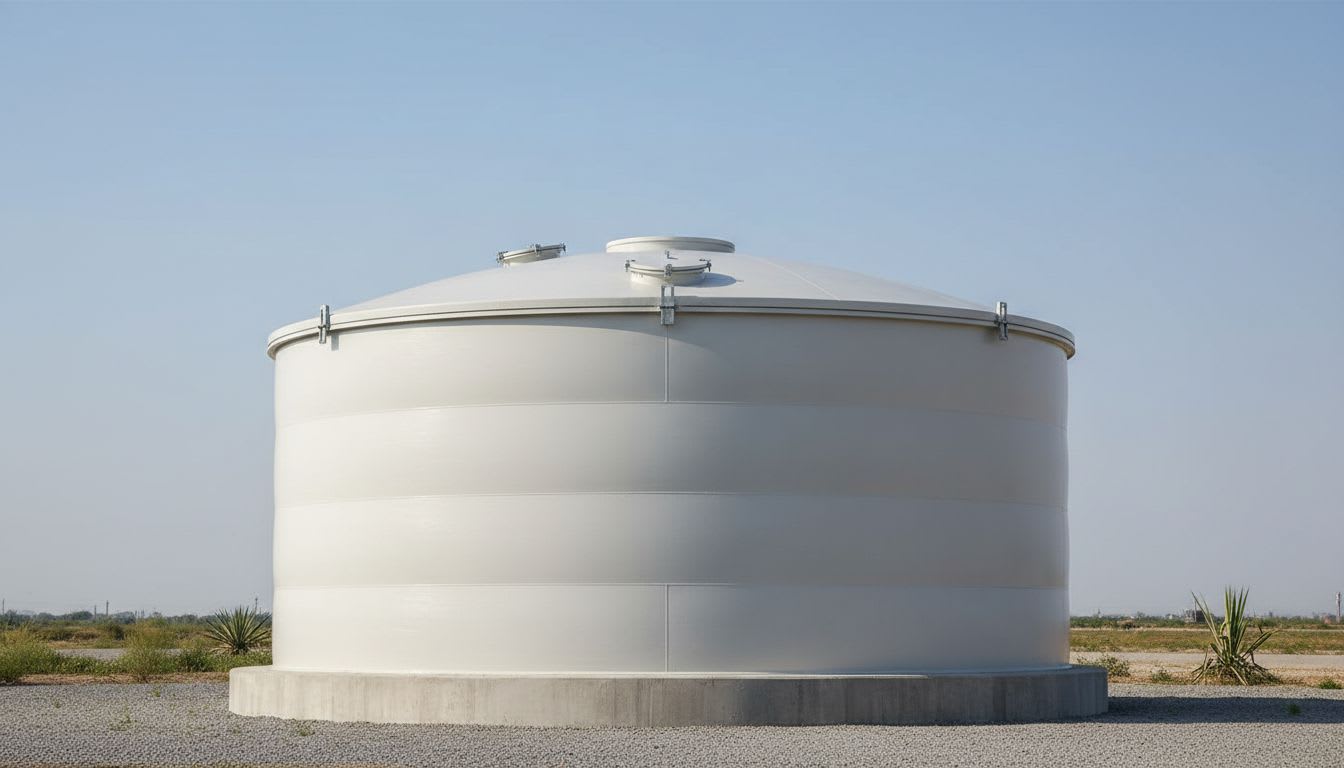
Functions of the Odor Reduction Monitoring System
KoreaBest provides an 'odor reduction device monitoring system' as a core solution for the efficient management of composting facilities. This system performs the following functions:
- Assessing whether the odor reduction effect is efficiently expressed
- Integratively managing the operational status of the entire facility in real-time
- Supporting proactive responses to odor complaint issues
- Laying the foundation for forming efficient operating strategies
We provide a solid foundation to preemptively address the odor complaint issues that on-site operators find most challenging and establish efficient operational strategies.
Particularly, through a meticulously designed environmental sensor monitoring system, the efficiency of the deodorization tower, the core of an odor reduction facility, is thoroughly analyzed. Even slight changes are detected and turned into data, allowing facility operators to promptly respond to any early signs of issues. It plays a critical role in continuously maintaining optimal operating conditions, minimizing odor complaints, and reducing unnecessary operating costs. For instance, in the event of a sudden increase in odor concentration or a decline in deodorization efficiency, an immediate alert is provided, enabling immediate action.
Maximizing Efficiency of the Composting Process
Furthermore, KoreaBest is deeply focused on maximizing efficiency throughout the composting process. The following optimized equipment is provided for each stage:
- Raw material collection: Securing fresh organic materials for high-quality compost production
- Mixing: Maintaining the optimal carbon-to-nitrogen ratio for microbial activity
- Fermentation: Precise control of temperature, humidity, and oxygen concentration
- Curing: Inducing stable transition to mature compost
- Final compost packaging: Preserving quality and blocking contamination
This is a crucial process in enhancing compost quality, increasing agricultural value, and contributing to the circular economy.
Strengths of Proprietary Ceramic Filter Technology
Moreover, KoreaBest’s proprietary 'ceramic filter technology' provides differentiated value over any competitor. Compared to commonly used hollow fiber or flat membrane filters, ceramic filters boast significantly superior performance and durability. Strongly resisting both acidic and alkaline environments (pH 1~13), they operate stably under high temperatures reaching 90℃ without deformation. This indicates the filter can perform its role even in the harsh environment of the composting process.
Additionally, its strong resistance to contamination allows for very easy maintenance. Reducing the burden of frequent cleaning or replacements enhances operational efficiency, and being able to store it dry for a long period facilitates managing spare filters. With such impressive technical prowess, KoreaBest substantially boosts the overall efficiency of composting facilities, contributing practically to effectively reducing operating costs in the long run.
Core Summary and Conclusion
Through the perspective of on-site operators, the core of composting facilities lies in fundamentally controlling odors, organically managing the entire process, and ensuring durability and maintenance convenience from a long-term perspective. Going beyond merely meeting legal standards, KoreaBest's customized odor management system and unique ceramic filter technology solve on-site difficulties and become a solid partner in crafting a sustainable future. Creating a clean environment that everyone can be pleased with through healthy resource circulation—that's the ultimate value KoreaBest pursues.
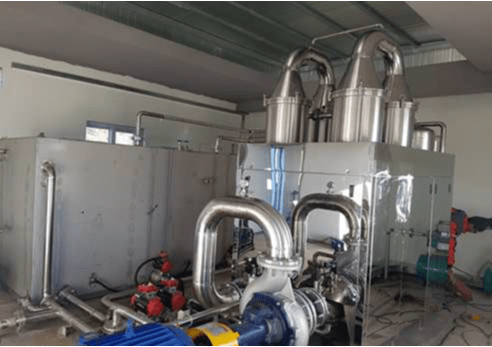
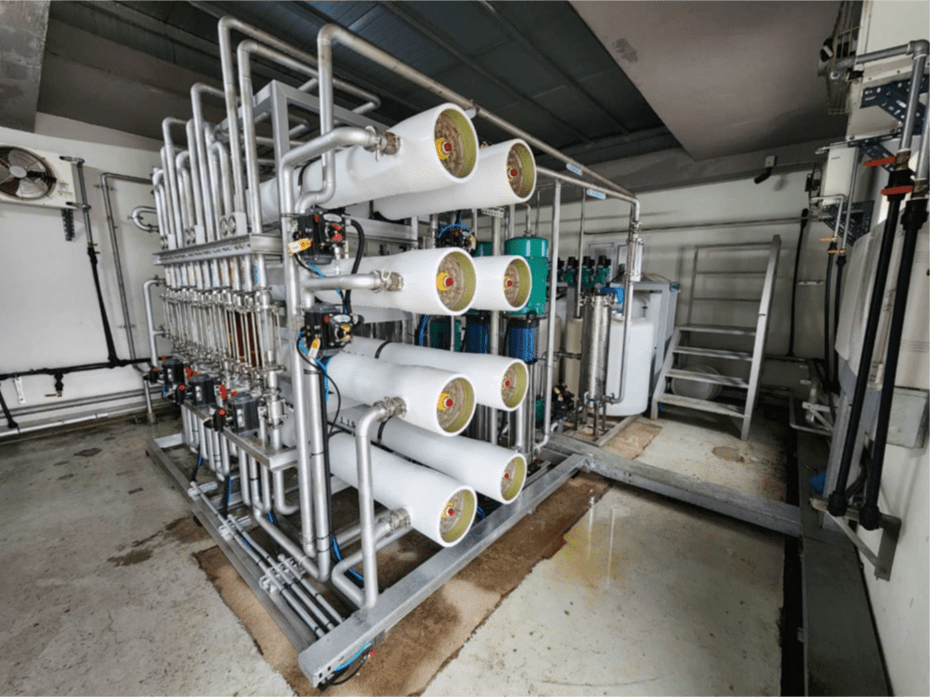
With over 20 years of experience and expertise, KoreaBest effectively resolves chronic odor problems from the root, achieving both a pleasant working environment and regulatory compliance.
Contact Information
Phone: 041-632-0670
Email: kbeco@naver.com
Request a free consultation: http://www.kbeco.co.kr