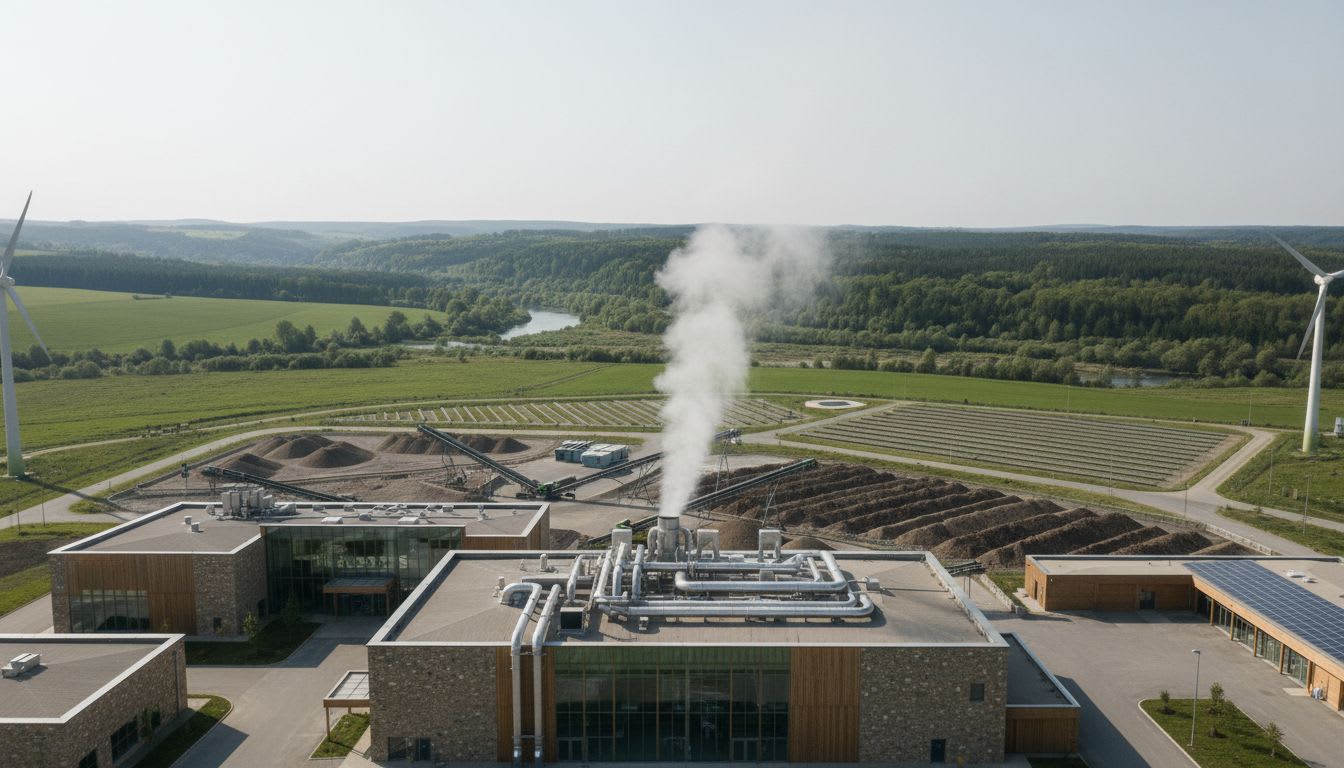
Did you know that the agitator fermenter is the culprit behind the odor that plagues the lives of those living near composting factories? Odors that pierce your nose and, in severe cases, threaten health. We can no longer ignore this issue. From the causes of odor to solutions and KoreaBest's unique solution, we will inform you thoroughly. We can create a pleasant environment without odors together.
Seriousness of Odor from Agitator Fermenters and Importance of Management
Main Causes of Odor
The unpleasant smell emanating from around compost factories is not just a nasal assault but a primary cause that diminishes the quality of life for local residents and creates severe difficulties in business operations. Recognizing that one of the largest sources of this odor issue is the 'agitator fermenter' is essential. These fermenters, crucial for efficiently converting organic waste into high-quality compost, inevitably produce various odor-causing substances during the process of mixing and fermenting organic matter. Particularly, volatile organic compounds (VOCs) such as hydrogen sulfide, ammonia, and mercaptans released into the air during intense agitation are key contributors to the strong and offensive odors that lead to complaints.
Serious Implications of Leaving Odor Unmanaged
These VOCs are not just nuisances. They can negatively affect human health, causing headaches, nausea, and respiratory issues if exposed for long periods, making it a compulsory task for responsible companies to address. Failure to effectively manage odors from agitator fermenters can result in ongoing complaints from local residents and critically damage the public image and long-term sustainability of the business. This is not merely an operational problem but can become an issue related to the survival of the company. Therefore, managing odors from agitator fermenters should no longer be a choice but an essential part of management strategy.
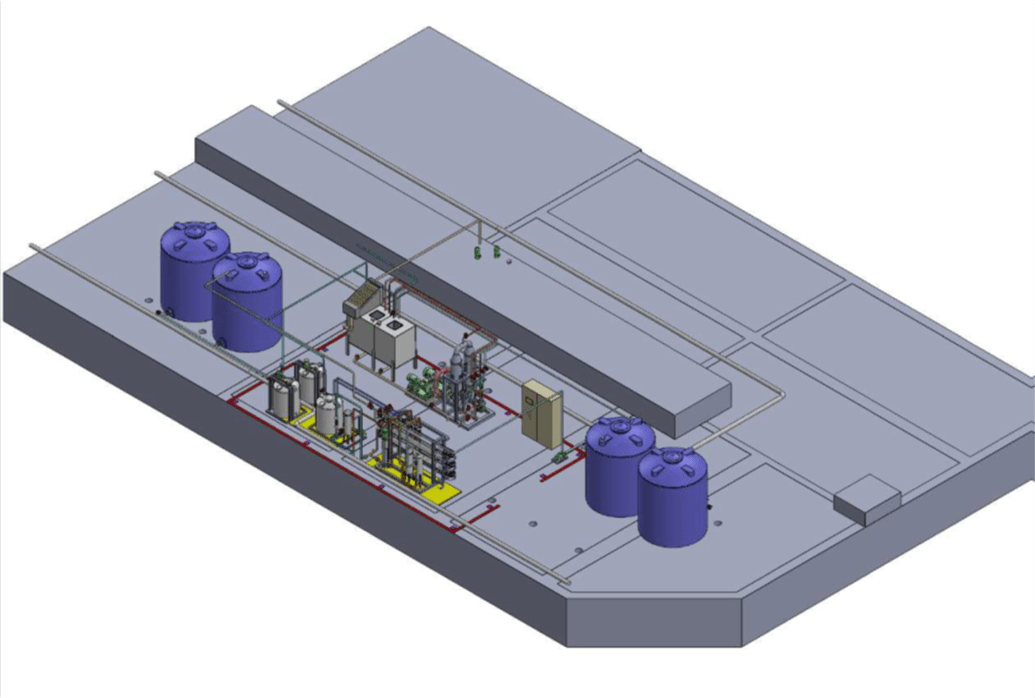
First Step to Odor Solutions: Creating an Optimal Fermentation Environment
Key Factors of Optimal Fermentation Environment
The first step to fundamentally solving odor issues from agitator fermenters is establishing an 'optimal fermentation environment.' Since the fermentation process involves microbes breaking down organic matter, creating an environment where these microbes can work most actively and efficiently is crucial. Temperature, humidity, pH (acidity), and oxygen concentration are essential components that make up this optimal environment. For instance, if the temperature inside the fermenter is too low, microbial activity slows, delaying fermentation, and if too high, harmful bacteria may thrive, causing excessive odor. Proper humidity aids microbial growth, and maintaining appropriate pH levels at each fermentation stage is crucial. Most importantly, sufficient oxygen supply enables aerobic microbes to fully oxidize organic matter, leading to near-odorless final products.
Inhibiting Anaerobic Fermentation and Promoting Aerobic
If these environmental conditions exceed optimal ranges, an oxygen-deficient anaerobic state can easily develop inside the fermenter. Anaerobic fermentation is a major cause of putrefaction, releasing large amounts of strong-smelling substances such as hydrogen sulfide, ammonia, and fatty acids. In such cases, adjusting the speed and frequency of stirring to ensure even oxygen distribution and inhibit anaerobic fermentation while actively promoting aerobic fermentation is essential. Just as plants need adequate sunlight and water for healthy growth, it is important to provide an environment where microbes in the fermenter can 'breathe' comfortably.
Utilizing Microbial Preparations and Expert Consulting
Additionally, utilizing microbial preparations specialized in odor reduction can be an effective approach. However, with various products available on the market, it is important to select the preparation that is most suitable and verified for the specific characteristics of the fermenter and the types of odor being produced. KoreaBest provides professional criteria for selecting these microbial preparations and consulting tailored to the client's environment, proposing the most effective solutions. Beyond simple product sales, our ultimate goal is to assist in sustainable odor resolution by accurately diagnosing the fundamental causes of odor and establishing an optimal environmental management strategy.
Advanced Odor Reduction Facilities and KoreaBest's Technological Capability
Understanding Diverse Odor Reduction Technologies
It is often difficult to fully control odor emissions from agitator fermenters merely with an optimal fermentation environment. In such cases, the introduction of advanced odor reduction facilities is essential. Technologies for effectively capturing and removing odors can be divided into biological, chemical, and physical deodorization methods. Biological deodorization uses microbial decomposition to convert odor substances into harmless materials, offering an eco-friendly approach but with potential efficiency drop due to environmental changes. Chemical deodorization neutralizes or removes odors with strong oxidizers or absorbents but poses safety concerns and the potential for secondary pollution. Physical deodorization uses activated charcoal or specific filter materials to absorb or filter odor substances, providing relatively stable performance but incurring maintenance costs for periodic filter replacement and regeneration.
KoreaBest's Environmental Sensor Monitoring System
Given the clear pros and cons of each method, determining which technology best suits the site's characteristics and odor type is essential. To address these concerns, KoreaBest provides a proprietary 'Environmental Sensor Monitoring System.' This system accurately monitors the operation and odor reduction efficiency of deodorization towers in real-time, aiding in maintaining optimal operating conditions based on accumulated data. It ensures that systems consistently perform at their best, potentially reducing unnecessary energy consumption and maximizing operational efficiency, thus achieving cost savings.
Innovative Ceramic Filter Technology
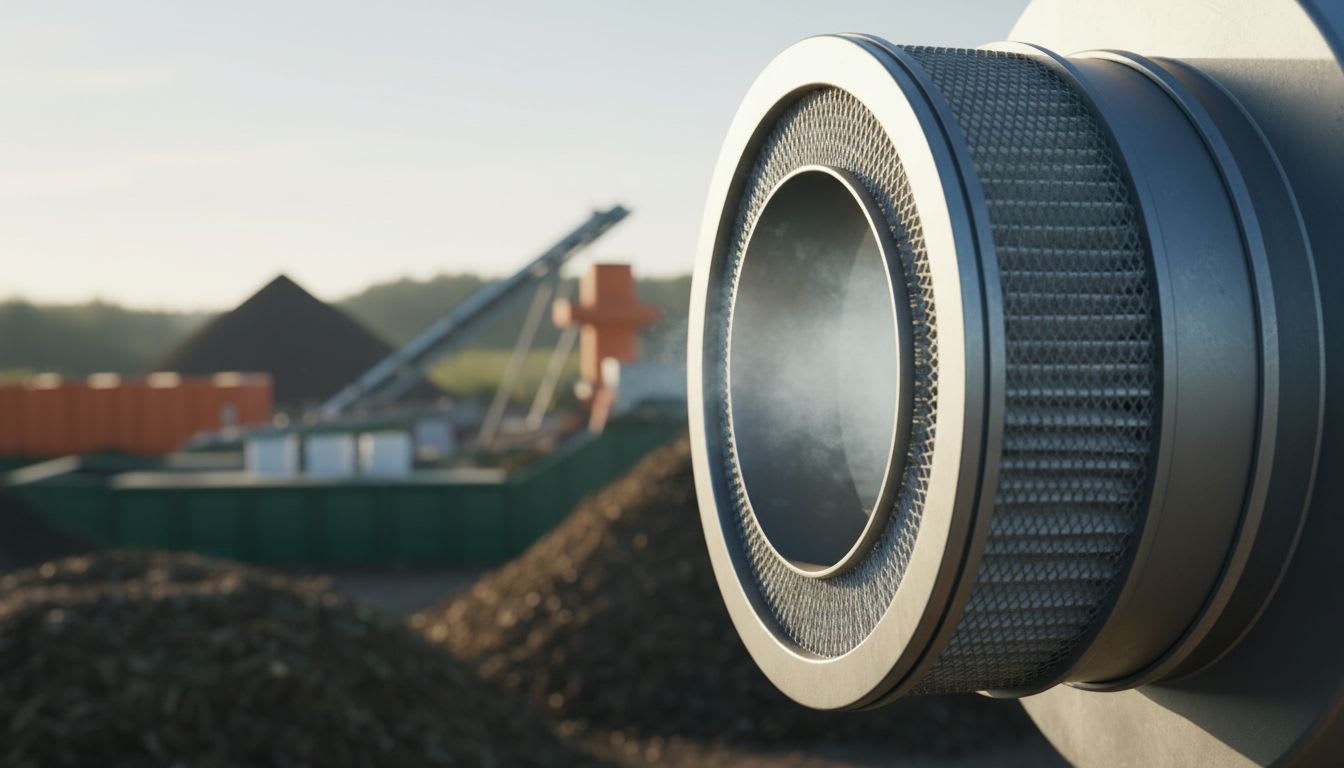
KoreaBest's proprietary 'Ceramic Filter' boasts revolutionary performance over traditional hollow fiber or flat sheet filters. This filter offers excellent durability across a wide pH range from extreme acidity (pH 1) to strong alkalinity (pH 13) and maintains stable performance even at high temperatures up to 90°C. It is highly resistant to contamination in both wet and dry environments, dramatically reducing the decline in filter performance even with prolonged use. This not only significantly reduces the frequency of filter replacements or maintenance burden but also continuously provides stable odor reduction efficiency, greatly contributing to maintaining a pleasant working environment and protecting the surrounding environment. Based on these cutting-edge technologies, KoreaBest supports customers in overcoming odor problems, achieving sustainable growth, and fostering environmentally friendly operations.
Successful Odor Management Strategies and KoreaBest's Total Solution
Key Elements of Successful Odor Management
Odor complaints from agitator fermenter operations are not merely one-off issues but can become chronic challenges that hinder long-term corporate activities. Through extensive field experiences, KoreaBest has learned from the successes and failures of odor management and, based on this, presents practical solutions. Companies that succeed in odor management consistently follow three key elements: creating an optimal fermentation environment, implementing high-efficiency odor reduction facilities, and comprehensively managing all these processes through 'continuous monitoring.' KoreaBest's environmental sensor monitoring system monitors the operational status and odor reduction efficiency of deodorization towers 24/7, enabling immediate alerts and responses to unforeseen issues, thereby preemptively blocking odor leaks. This integrated approach has markedly decreased odor-related complaints and allowed for the establishment of cooperative relationships with local communities.
Lessons from Odor Management Failure Cases
Conversely, cases struggling with odor issues repeatedly show several critical errors. The most common is 'negligence,' where crucial variables such as temperature, humidity, pH, and oxygen concentration inside the fermenter are allowed to deviate from optimal ranges, promoting anaerobic fermentation and generating severe odors. Additionally, implementing inappropriate odor reduction technologies that do not consider the site's characteristics or operating outdated, malfunctioning facilities without timely replacements also frequently worsen odor problems. Insufficient and delayed responses to problem occurrences can amplify complaints and cause irreparable damage to the company's image. These failure cases paradoxically underscore the importance of consistent and systematic management and inspection.
KoreaBest's Total Solution
KoreaBest is committed to addressing these field challenges by consistently investing in technology development. Our proprietary 'Ceramic Filter' boasts superior performance beyond the limits of conventional hollow fiber or flat sheet filters. It guarantees stable operation even in extreme acidic and alkaline environments and at high temperatures up to 90°C, and its excellent contamination resistance significantly reduces maintenance burdens. This not only maximizes odor reduction efficiency but also significantly contributes to long-term operational cost savings. Furthermore, KoreaBest offers a 'total solution' covering the entire composting process. From raw material collection to mixing, agitator fermentation, maturation, and packaging, we provide optimized facilities and management systems for each stage to minimize odor generation while ensuring stable production of high-quality compost, supporting clients in becoming genuinely environmentally friendly companies. KoreaBest promises to continue leading the creation of odor-free comfortable environments and sustainable composting systems through innovative technology and responsible service.
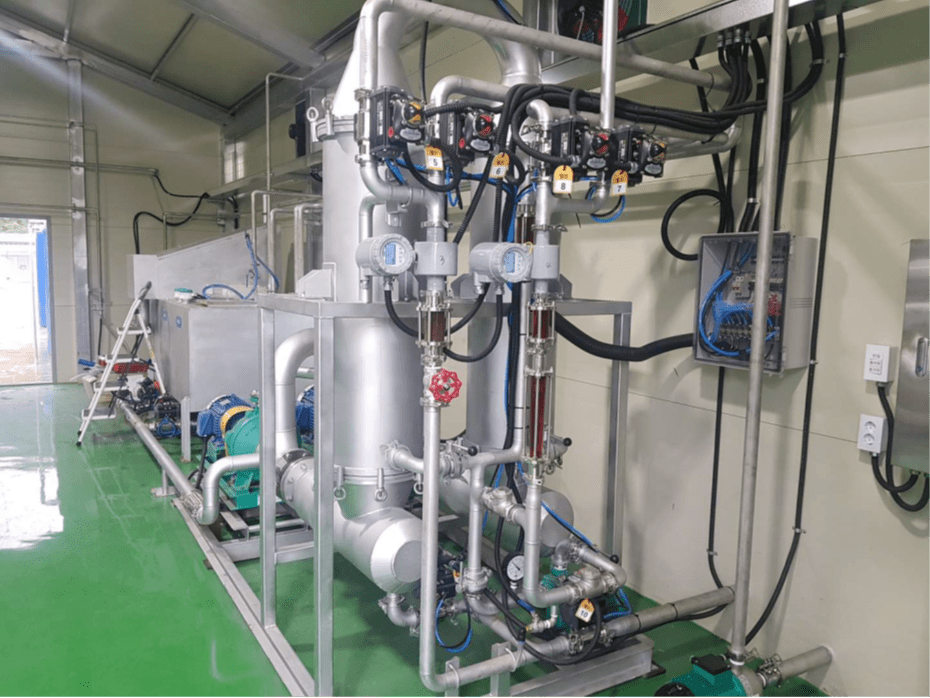
Odor from agitator fermenters is no longer an unavoidable challenge but a solvable problem through systematic management and innovative technology. An integrated approach from creating an optimal fermentation environment to high-efficiency odor reduction facilities and constant monitoring is indispensable for a pleasant environment and co-prosperity with the community. KoreaBest's unique ceramic filter technology and precise environmental sensor monitoring system will guide this journey to success, becoming a reliable partner for a sustainable composting process. We encourage you to take this important first step toward an environment-friendly future beyond odor-free workplaces.
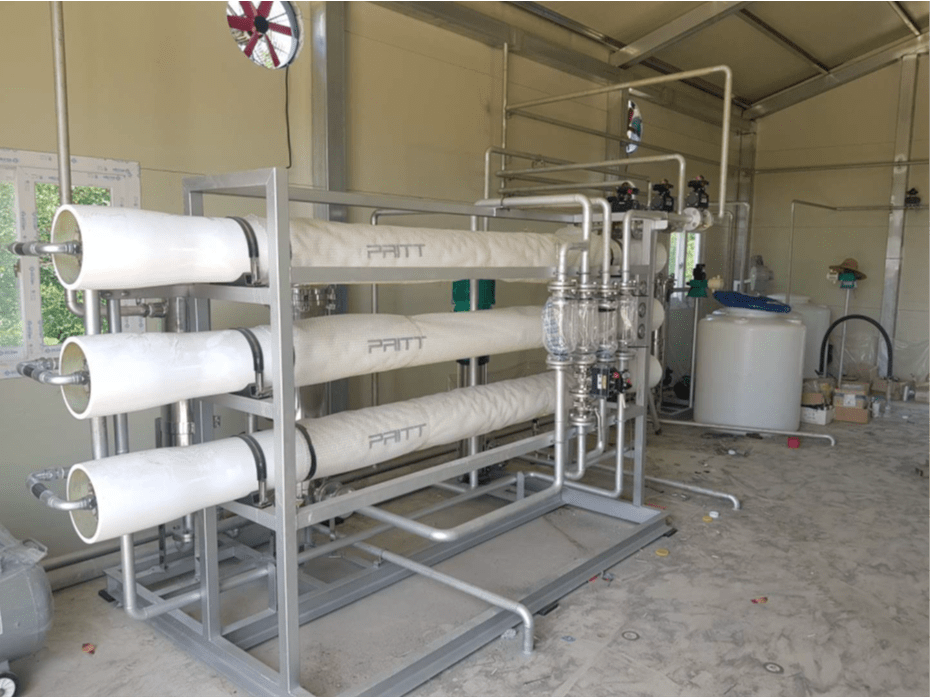
LLC KoreaBest, with over 20 years of experience and expertise, fundamentally resolves chronic odor issues, achieving both a pleasant work environment and compliance with environmental regulations.
Contact
Phone: 041-632-0670
Email: kbeco@naver.com
Free consultation request: http://www.kbeco.co.kr