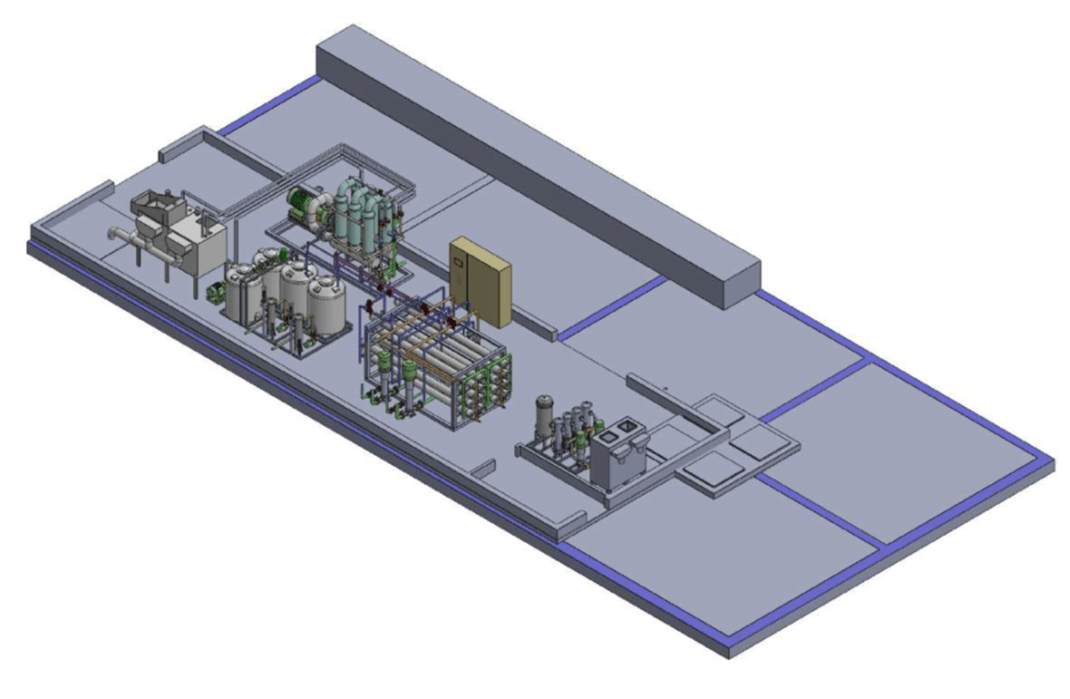
Odors from composting processes can cause complex issues beyond mere discomfort, including complaints from nearby residents, health problems for workers, and risk of non-compliance with increasingly stringent environmental regulations.
At each stage of the process, from raw material input to fermentation and maturation, different types of odor-causing compounds are generated, making effective odor control a challenging task. Traditional piecemeal odor management methodologies are inadequate to fundamentally address these complex problems, necessitating a comprehensive approach that precisely diagnoses and systematically controls the sources of odor. KoreaBest highlights this need by presenting a new standard for odor management through an integrated solution that combines precision diagnostics via sensor monitoring with innovative ceramic filter technology.
Composting Process Odors: Limits of Traditional Approaches and the Integrated Solution
Characteristics of Odor Generation in the Composting Process
The composting process is complex, proceeding through several stages from raw material collection and mixing, to high-temperature fermentation, stabilization in maturation, and final packaging.
At each stage, different odor compounds such as ammonia, hydrogen sulfide, and volatile organic compounds (VOCs) are generated, compounding the difficulties in managing odors throughout the process.
Limitations of Traditional Odor Management Methodologies
Traditionally, individual odor reduction devices like deodorization towers or bio-filters were commonly used in isolation. However, such methods often struggled with fluctuating odor reduction efficiency depending on process conditions, and it was difficult to accurately pinpoint the origin and intensity of the odors.
Consequently, these fragmented approaches could not effectively control the complex odor problems arising throughout the entire process, leading to persistent odor complaints.
Integrated Solution by KoreaBest
Recognizing the limitations of these traditional approaches, KoreaBest emphasizes the importance of an integrated solution that spans the entire process rather than focusing on individual reduction methods. The company's environmental sensor monitoring system manages the operation and efficiency of odor reduction facilities in real time, accurately detecting the type and concentration of odors emerging at specific stages, allowing for swift identification of problem points and optimal responses.
This addresses the major limitation of traditional systems—the difficulty in pinpointing problem areas and managing efficiency discrepancies. Moreover, by adding KoreaBest's proprietary high-performance ceramic filter technology, odor problems can be controlled more powerfully.
Core Technologies of KoreaBest: Smart Monitoring and Ceramic Filters
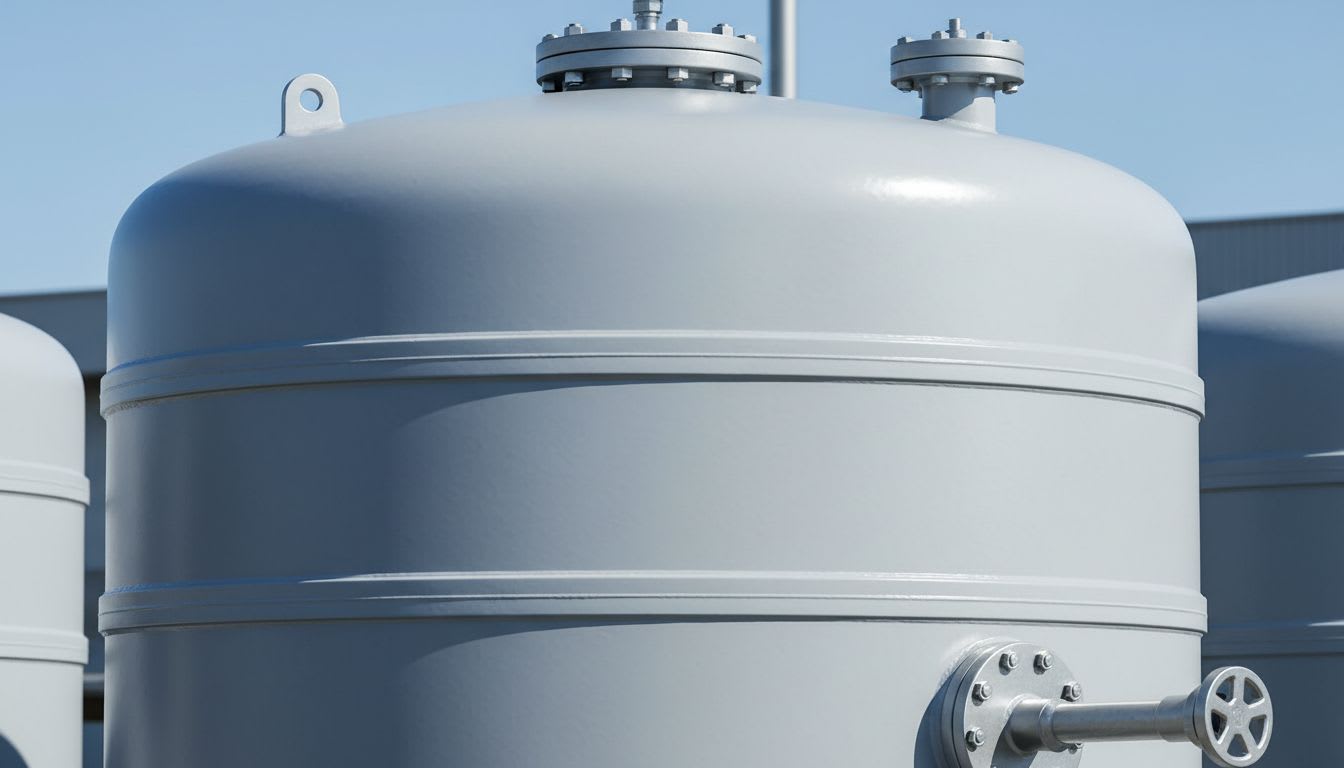
The key to effectively managing composting odors and operating sustainable processes lies in the combination of 'integrated management' and 'innovative filtration technology'.
As the odor concentration and type in the composting process vary moment by moment according to various factors such as temperature, humidity, and organic material decomposition state, a quantitative and instantaneous response system is indispensable.
Smart Monitoring System
KoreaBest's smart monitoring system uses state-of-the-art environmental sensors to precisely detect odor concentrations in real time.
This system goes beyond mere numerical checks, enabling the integrated assessment of the operational status and efficiency of odor reduction devices like deodorization towers, and assisting in formulating the optimal deodorization strategy in response to process changes.
Such intelligent monitoring reduces unnecessary equipment operation, enhancing energy efficiency and leading to consistent and stable odor reduction effects, thereby vastly increasing the predictability and stability of facility operations.
High-Performance Ceramic Filter Technology
Another core pillar that maximizes odor removal efficiency is none other than KoreaBest's high-performance ceramic filter technology. Traditional tubular or flat membrane filters had concerns of performance degradation and damage in the harsh environments of composting processes, characterized by high temperatures or acidic and alkaline conditions.
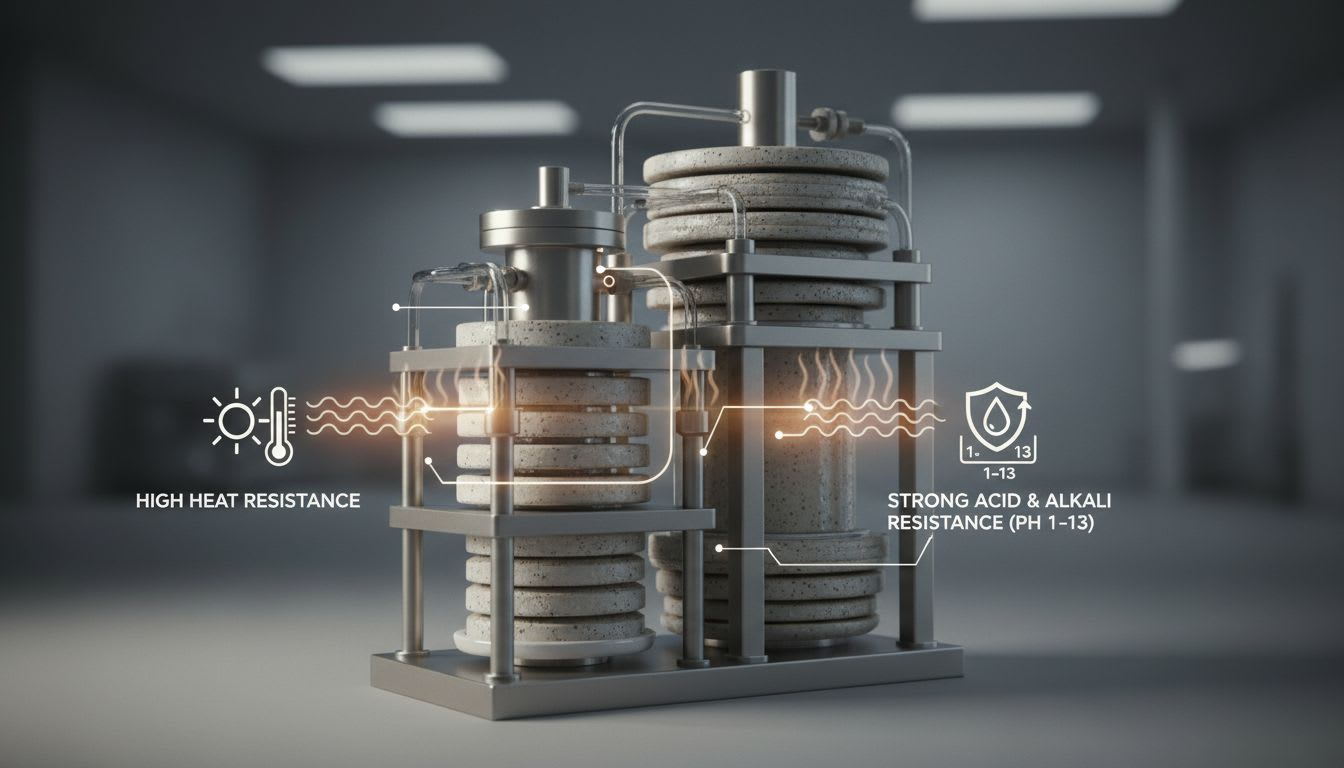
However, KoreaBest's ceramic filters exhibit the following characteristics:
- Highly resistant to a wide range of acids and alkalies, from pH 1 to pH 13
- Exhibits stable heat resistance even at high temperatures of up to 90℃
- Features strong anti-pollution and excellent preservation properties
These features ensure outstanding performance consistently even in the harsh and ever-changing composting environment, reducing frequent replacement cycles or maintenance burdens. Through integrated real-time monitoring and innovative ceramic filter technology, KoreaBest helps customers overcome unpredictable odor issues, leading to more efficient and sustainable composting processes.
Operational Efficiency and Sustainability Brought by the Integrated Solution
Practical Benefits of the Integrated Solution
KoreaBest's solution goes beyond merely removing odors, maximizing the overall operational efficiency and sustainability of the composting process.
The smart monitoring system accurately identifies odor emission patterns through real-time data analysis, formulates optimal control strategies, and reduces unnecessary energy consumption, enhancing operational cost-effectiveness.
With the robust durability and excellent filtration efficiency of high-performance ceramic filters, stable odor removal performance is guaranteed even in harsh environments, significantly reducing maintenance burdens.
This close integration of both technologies not only resolves odor complaints but also ensures compliance with stringent environmental regulations and long-term operational cost savings, playing a critical role in helping composting facilities coexist harmoniously with the surrounding community and in promoting environmentally friendly compost production.
In the end, the odor problems of composting processes are more than mere issues of smell; they are key challenges that determine a facility's sustainability and harmonious coexistence with the local community.
The integrated solution of smart monitoring systems and high-performance ceramic filters presented by KoreaBest resolves these complex challenges, maximizes process efficiency, and drastically reduces operational burdens. Now, you can move closer to your goals of complying with environmental regulations, producing more stable and eco-friendly compost without worrying about odor complaints.
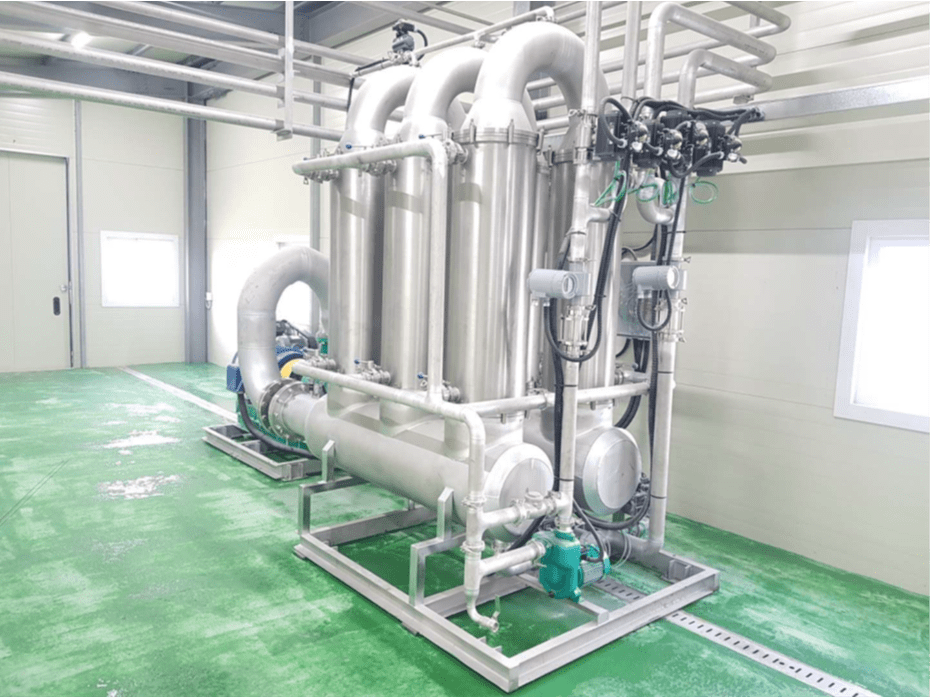
KoreaBest's limited company has over 20 years of experience and know-how in fundamentally solving chronic odor problems, achieving both a pleasant working environment and compliance with environmental regulations simultaneously.
Contact Information
Phone: 041-632-0670
Email: kbeco@naver.com
Request Free Consultation: http://www.kbeco.co.kr